
AMBER
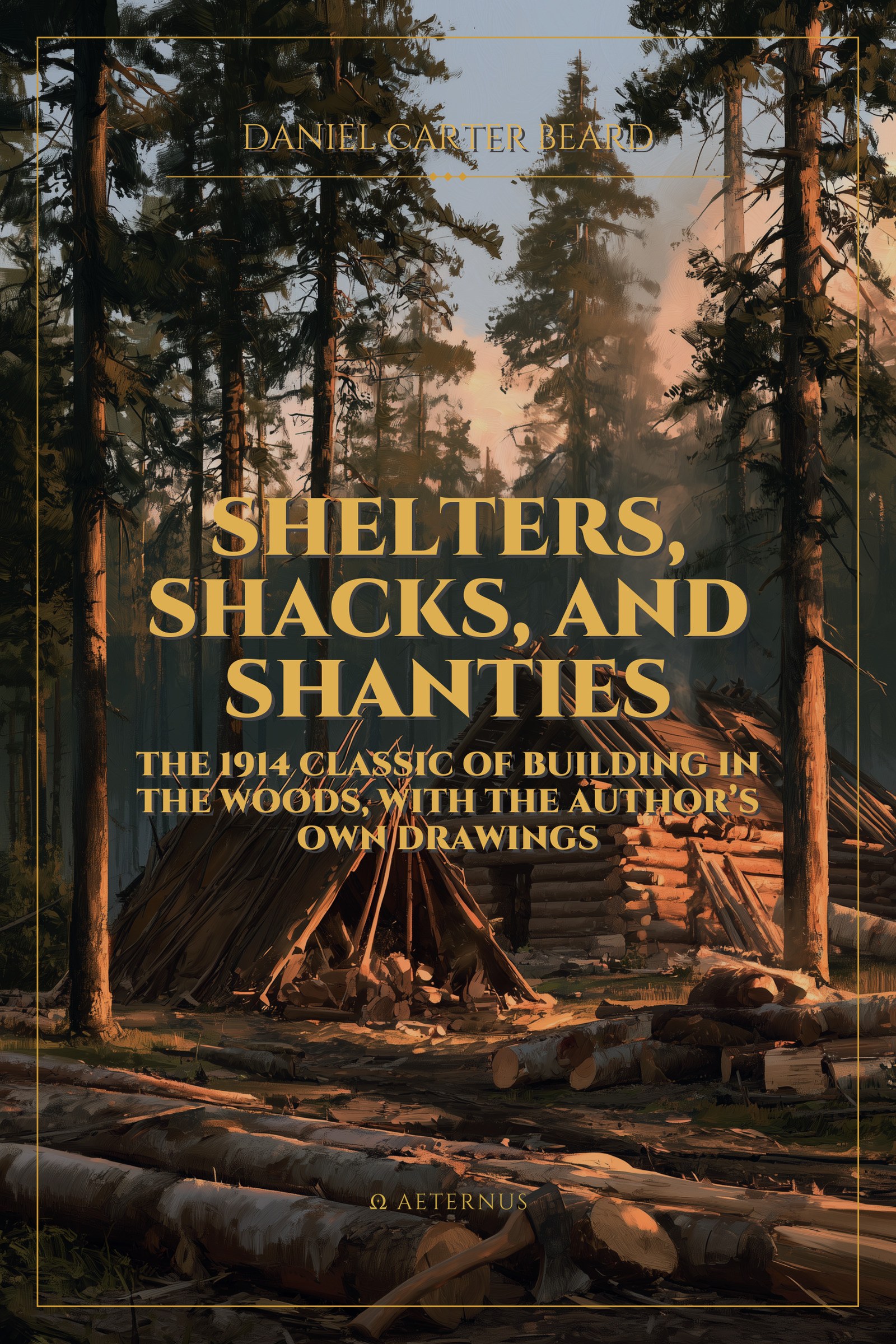
Shelters, Shacks, and Shanties (Illustrated)
A roof begins with a pole, a cabin with a notch, and a night in the woods with the ability to understand the materials close at hand.
Explore the edition →Life and work
The workshop, the camp and the American pioneer tradition.
Return to the editions ↓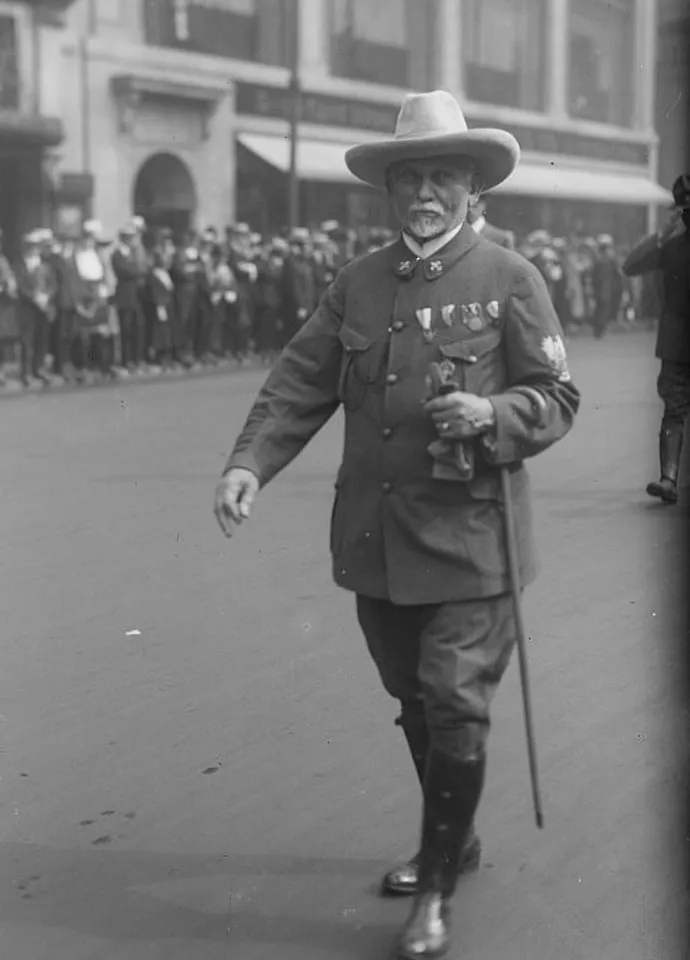
The handbooks retain the pleasure of understanding how something is built, and then building it.
Ernest Thompson Seton · 1911
Seton’s northern journey connects travel, natural history and the patient observation of animals.
Robert Baden-Powell · 1897
The Matabele campaign narrative connects movement through difficult country with military scouting and field observation.
Robert Baden-Powell · 1899
Baden-Powell’s military scouting manual offers a comparison with the observation and practical judgment of the camp and trail.
Richard Jefferies · 1881
Wood Magic imagines the lives and conflicts of animals within a familiar English landscape.
Elihu Stewart · 1913
Stewart’s northern river journey brings forestry, transport and settlements into the world of outdoor travel.
Ernest Thompson Seton · 1898 · German-language edition
Seton makes the individual animal the center of a story, extending outdoor observation into narrative.
Ernest Thompson Seton · 1900 · German-language edition
The life of a grizzly gives animal observation the sustained shape of a biography.
Ernest Thompson Seton · 1903 · German-language edition
Boys learning outdoor skills give Woodcraft a narrative form beside the practical camping handbooks.
Ernest Thompson Seton · 1911 · German-language edition
Rolf’s education in the woods brings practical outdoor learning into an adventure story.
Ernest Thompson Seton · 1911 · German-language edition
Seton’s northern journey connects travel, natural history and the patient observation of animals.
Ernest Thompson Seton · 1904 · German-language edition
A California grizzly supplies another meeting point between the animal story and the history of a landscape.